Blog & Articles
Research, tips, and agri-biotech news — 87 articles and counting.
87 articles
 Company News
AA Biotek Emerges as a Certified Philippine Biotech Leader
After two years of preparation, AA Biotek Enterprises OPC is now BAFS-OCCP certified — a milestone the company says affirms its commitment to quality, compliance, and responsible innovation as it expands its global distributor network.
 Company News
AA Biotek Recognized by DMMMSU as R&D Benefactor at 45th Foundation Day Anniversary
DMMMSU honored AA Biotek as a Research & Development Benefactor at its 45th Foundation Day Anniversary, recognizing a university-industry partnership that is moving microbial agri-aqua technology from the lab to the field.
 Crop & Soil
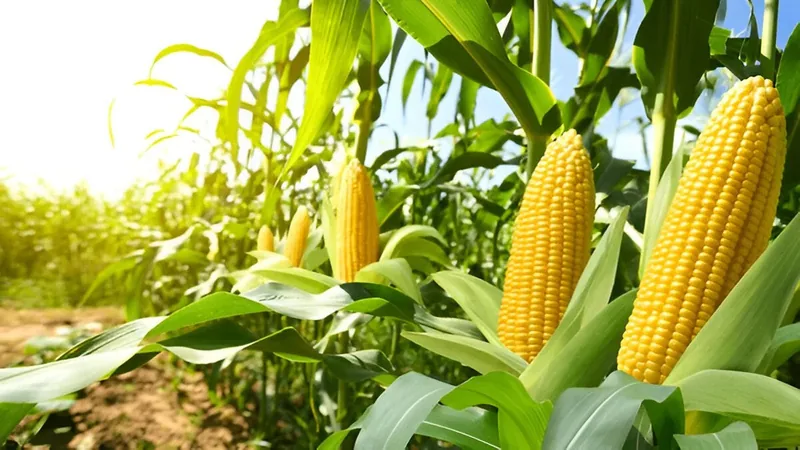
How MycoTEK Is Transforming Mango Orchards in the Philippines
Philippine mango growers face a persistent challenge: high fertilizer costs eating into margins while soil health declines. MycoTEK offers a science-backed alternative that extends root reach and unlocks bound nutrients.
 Crop & Soil
VeggieFloraTEK and the Tomato Farms of Benguet: A Field Report
Benguet's vegetable industry feeds Metro Manila. But inconsistent flowering and blossom drop cost growers an estimated 15–25% of potential yield every season. VeggieFloraTEK addresses the root cause.
 Eco Remediation
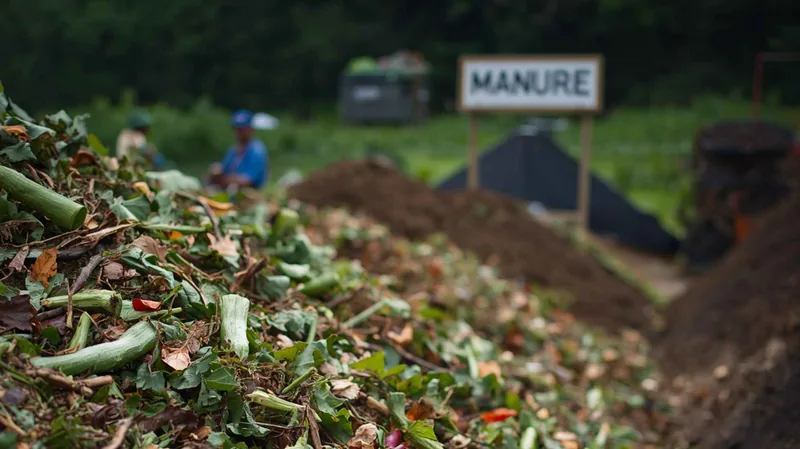
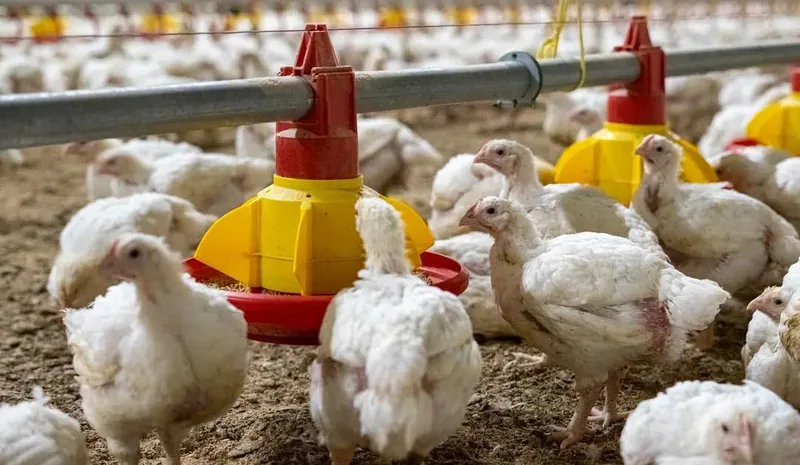
DecomTEK: The Biological Answer to Poultry Litter Odour in the Philippines
Ammonia from poultry litter is one of the most damaging — and most overlooked — threats to broiler performance. DecomTEK tackles it biologically, at the source.
 Animal Production
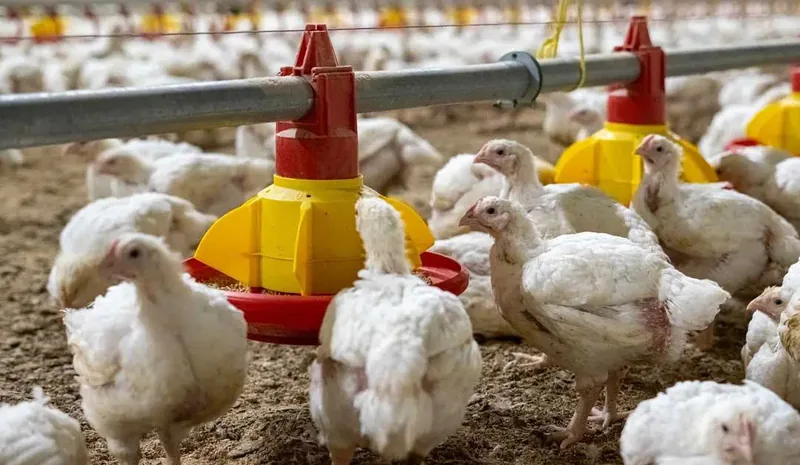
AviaTEK and FCR Improvement: What Philippine Broiler Integrators Are Seeing
Feed represents 65–70% of broiler production cost. Every 0.05-point improvement in FCR translates directly to thousands of pesos per cycle. AviaTEK delivers that improvement through gut biology.
 Crop & Soil
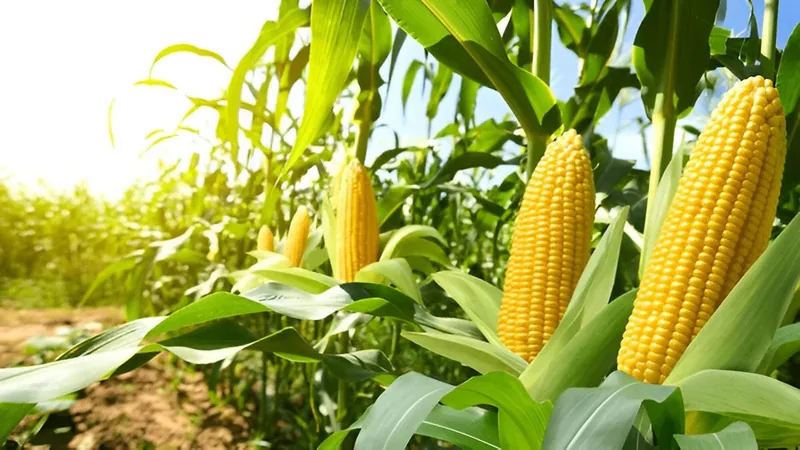
Cutting Fertilizer Costs in Rice and Corn With NPK-TEK
With urea prices up 84% since 2020, Philippine rice and corn farmers need a smarter nitrogen strategy. NPK-TEK delivers biology that works alongside — and progressively reduces dependency on — synthetic inputs.
 Eco Remediation
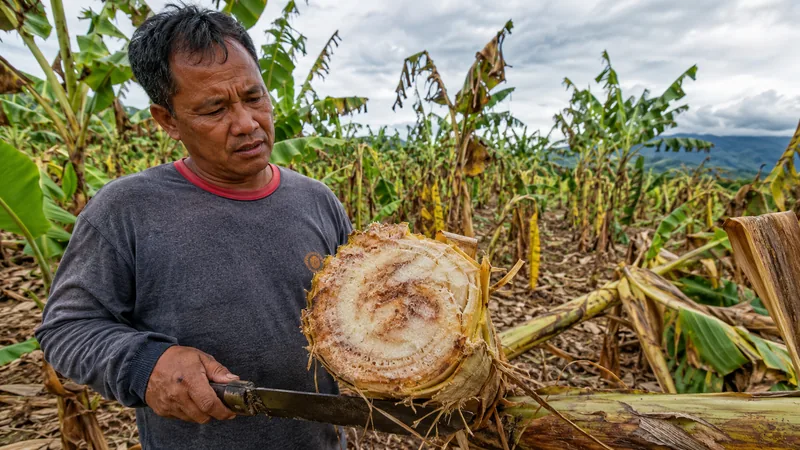
FusarTEK vs Fusarium Wilt: Biological Defense for Philippine Banana Farms
TR4 Fusarium wilt has devastated banana plantations across Southeast Asia. There is no chemical cure. Biological soil management — anchored by Trichoderma harzianum — is the most promising field-applicable defence.
 Aquaculture
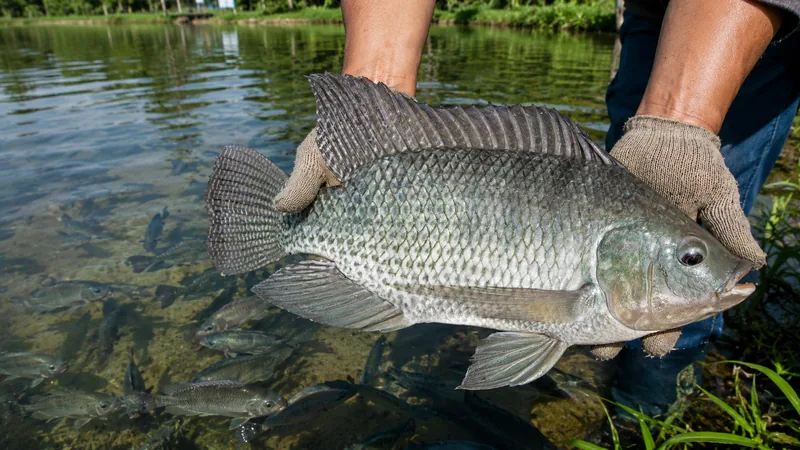
FishpondTEK: Smarter Tilapia Pond Management After the Rainy Season
Philippine tilapia farmers know the pattern: heavy rain, pond turnover, fish stress, mortality spike. FishpondTEK gives ponds the biological tools to recover faster.
 Aquaculture
FlocTEK and Biofloc Technology: Raising Shrimp Without Antibiotics in the Philippines
Biofloc technology is reshaping Philippine shrimp aquaculture — producing more protein per square metre while eliminating antibiotics. FlocTEK is the biological engine that keeps biofloc systems stable.
 Animal Production
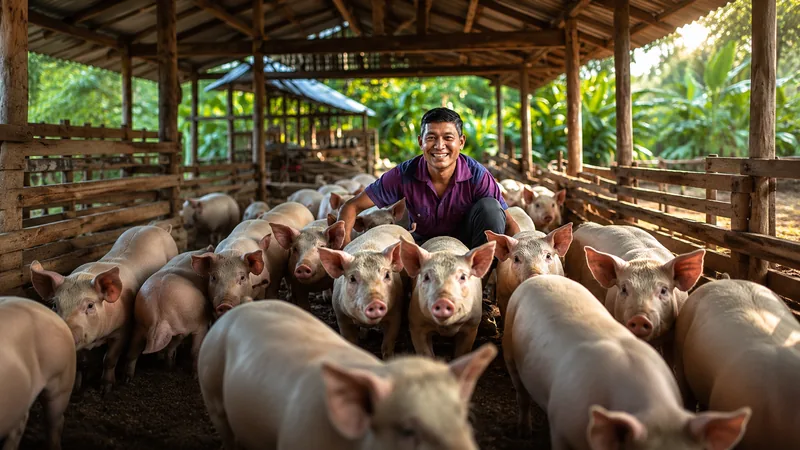
MonogasTEK for Swine: Addressing Post-Weaning Scours Without Antibiotics
Post-weaning scours kills more piglets and costs more money than any other single condition in Philippine swine production. MonogasTEK's Lactobacillus reuteri builds the gut barrier that keeps pathogens out.
 Crop & Soil
SucroTEK and Sugarcane: Lifting BRIX and Sugar Recovery in Philippine Plantations
Sugar recovery determines farm income for Philippine sugarcane growers. SucroTEK's biology targets the exact physiological pathways that drive BRIX and sucrose accumulation.
 Animal Production
RumeLacTEK for Dairy Cattle: Improving Milk Yield and Rumen Health in the Tropics
Philippine dairy production covers less than 3% of national milk demand. Improving productivity per cow is the fastest path to import substitution. RumeLacTEK targets the rumen biology that limits milk yield in tropical conditions.
 Crop & Soil
Greens&GrainsTEK in Hydroponics and Vertical Farms: A New Frontier
The assumption that biofertilizers only work in soil is outdated. Greens&GrainsTEK colonises roots in nutrient film systems, delivering PGPR benefits to hydroponic lettuce and leafy greens without soil as a carrier.
 Eco Remediation
FOG-TEK for Food Processing Plants: Solving the Grease Trap Problem Biologically
The grease trap problem costs Philippine food processing facilities millions in pump-outs and compliance fines annually. FOG-TEK's biology eats the grease at the source.
 Animal Production
Antimicrobial Resistance in Philippine Livestock: The Case for Probiotics
AMR is not a future problem for Philippine agriculture. It is a present one. The use of antibiotics as growth promoters has seeded resistance genes across farm environments, communities, and food supply chains.
 Crop & Soil
BAFS-OCCP Certification: What It Means for Philippine Farmers and Input Suppliers
Organic certification in the Philippines is a regulated promise, not a marketing claim. Understanding the BAFS-OCCP framework is essential for farmers seeking premium markets and suppliers seeking to differentiate.
 Eco Remediation
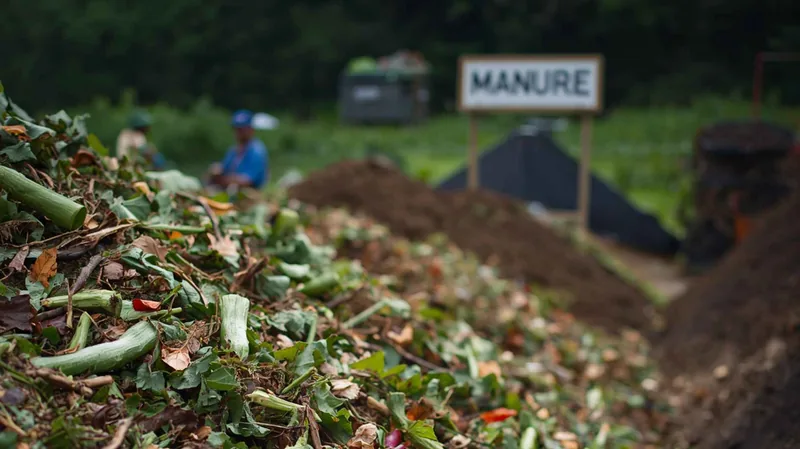
AnaeroTEK and Biogas Production: Turning Farm Waste Into Energy
Farm waste is a liability or an asset — the difference is biology. AnaeroTEK enables Philippine farmers to convert manure and organic waste into cooking gas and nutrient-rich digestate.
 Aquaculture
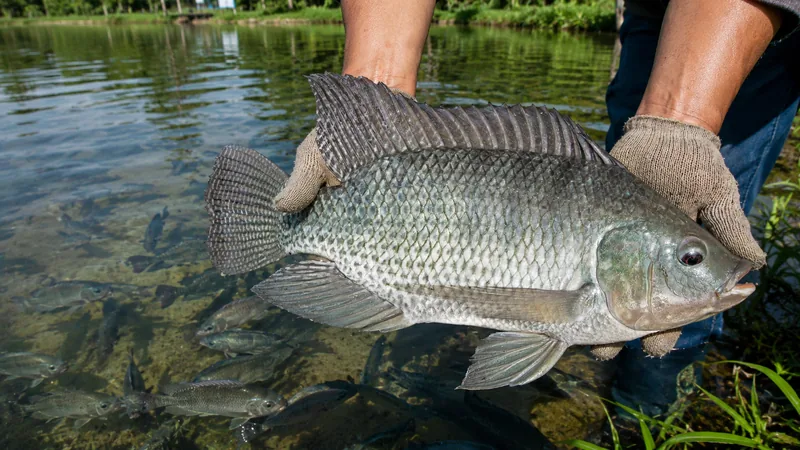
Probiotics in Global Aquaculture: What the International Research Says
The global aquaculture probiotics market is projected to exceed USD 1.5 billion by 2030. A decade of peer-reviewed research has established the mechanisms and quantified the benefits.
 Crop & Soil
Biofertilizers and Soil Carbon: The Climate Dividend of Biological Agriculture
Philippine cropland soils have lost 30–50% of their original organic carbon content over a century of intensive farming. Biofertilizers offer a practical tool for reversing this trend while maintaining yields.
 Crop & Soil
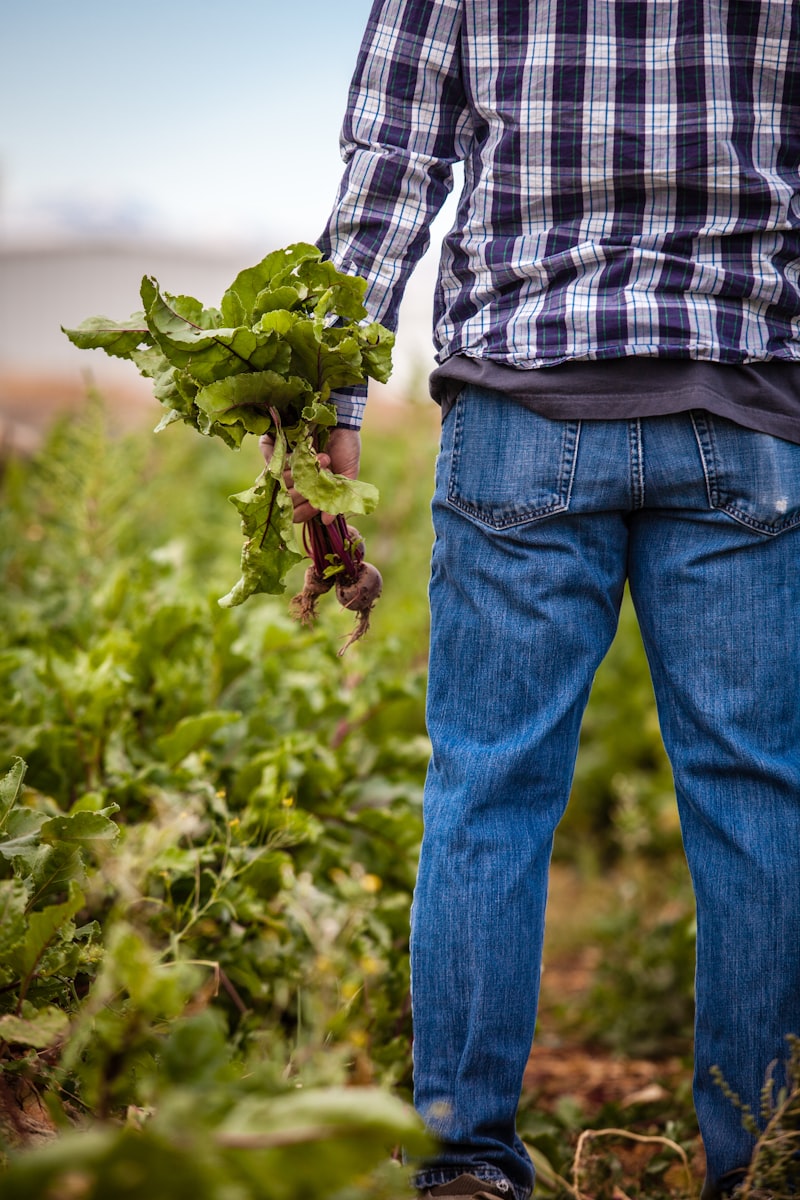
IFOAM and International Organic Trade: What Philippine Exporters Need to Know
IFOAM membership is a bridge to international organic market access. For Philippine exporters targeting Japan, Europe, and the US, understanding how IFOAM's equivalence framework works can save months of re-certification.
 Crop & Soil
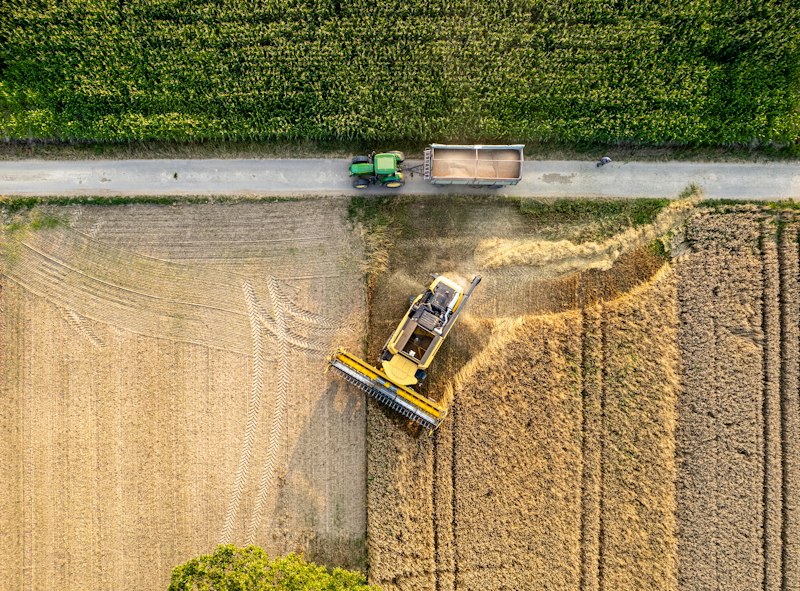
Smart Farming and Biological Inputs: The Convergence Reshaping Philippine Agriculture
The best biofertilizer in the world underperforms if applied at the wrong time, in the wrong place, or at the wrong rate. Smart farming tools are allowing Philippine growers to apply biological inputs with precision that maximises colonisation success.
 Eco Remediation
STP-TEK: Stabilising Municipal Sewage Treatment Plants in the Philippines
Philippine municipalities face growing DENR pressure on effluent discharge compliance. STP-TEK provides biological augmentation that helps variable-load STPs meet ammonia standards without expensive capital upgrades.
 Aquaculture
AquaclearTEK: Crystal-Clear Pond Water for Resorts and Hotels
Resort and hotel water features are a significant maintenance cost — and a major guest experience driver. AquaclearTEK delivers biological water clarity that reduces chemical use and extends filter life.
 Animal Production
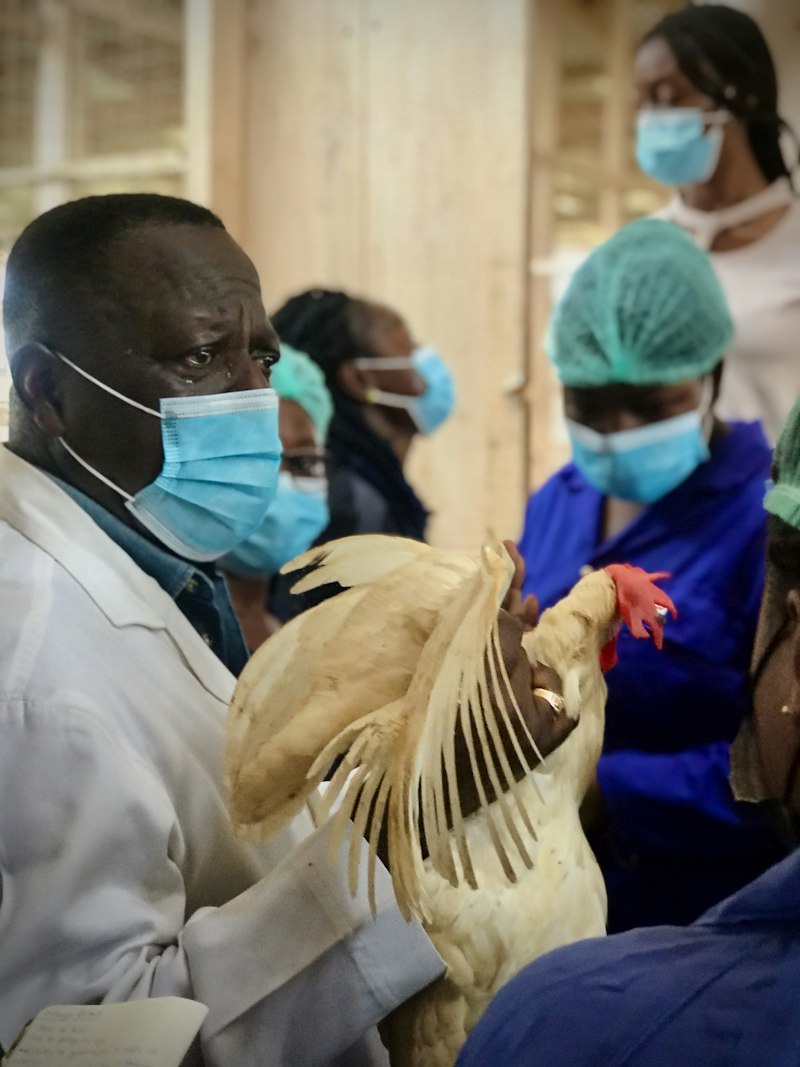
SaniTEK for Poultry Biosecurity: Biological Surface Protection Between Cleanouts
Chemical disinfectants kill pathogens instantly — but surfaces recolonise within hours. SaniTEK fills the gap between deep cleans with a beneficial microbial occupancy that keeps pathogens from re-establishing.
 Crop & Soil
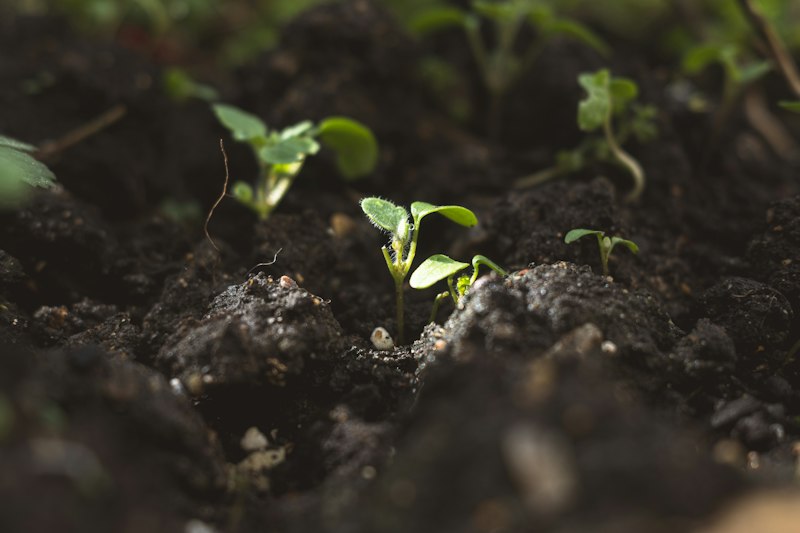
NemaTEK and Root-Knot Nematodes: Biological Control for Philippine Vegetable Farms
Root-knot nematodes cause an estimated 12–15% annual crop loss in Philippine vegetables. Chemical nematicides are toxic, expensive, and increasingly restricted. NemaTEK's egg-parasitic fungi offer a residue-free biological alternative.
 Crop & Soil
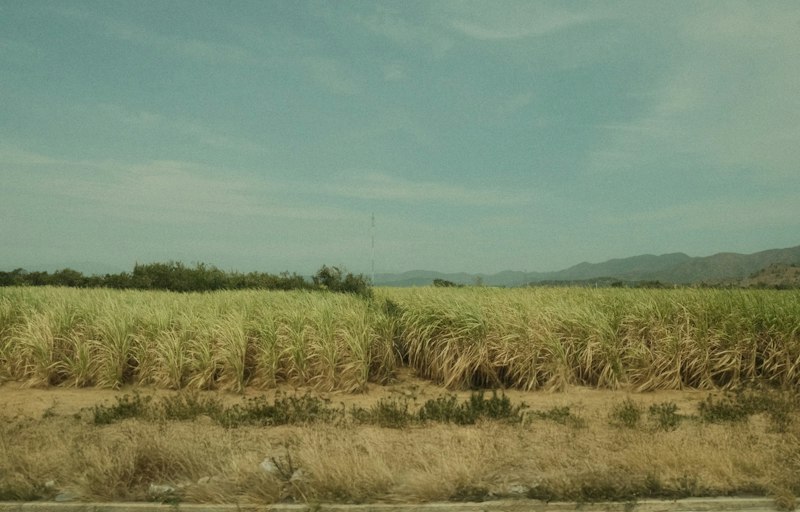
RSSI-TEK and Scale Insect Control in Philippine Sugarcane and Ornamentals
Scale insects cause direct yield loss and open wound pathways for secondary fungal infection in sugarcane, citrus, and ornamentals. RSSI-TEK delivers targeted biological control that leaves beneficial insects unharmed.
 Crop & Soil
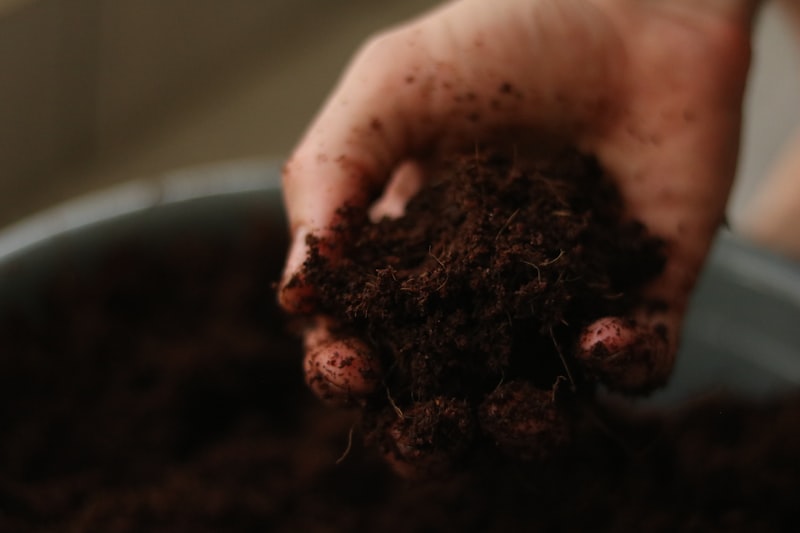
Reading Your Soil Biology: Key Indicators Philippine Farmers Should Monitor
You cannot manage what you cannot measure. Philippine farmers investing in biological inputs need simple, field-practical indicators that tell them their soil biology is responding.
 Crop & Soil
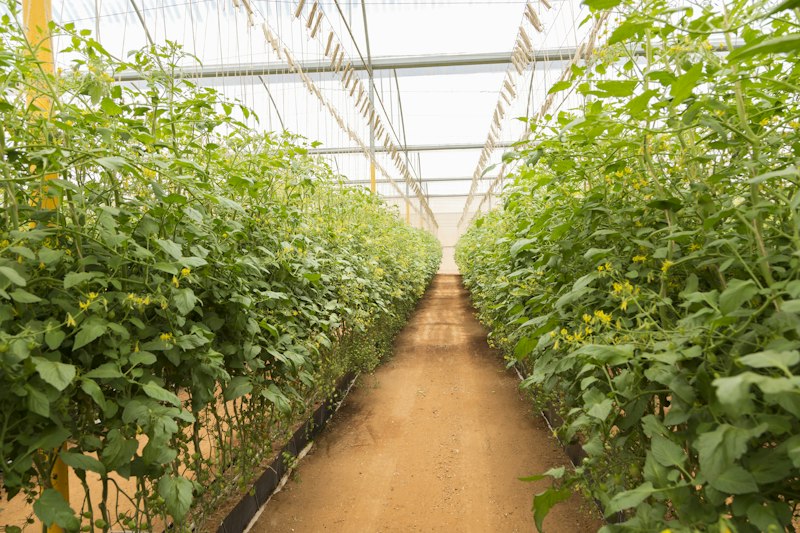
InsectaTEK and Beauveria bassiana: Broad-Spectrum Bioinsecticide for Protected Crops
Aphids, thrips, and whiteflies collectively transmit over 300 plant viruses and directly reduce vegetable quality and yield. InsectaTEK's Beauveria bassiana provides broad-spectrum biological control without residue concerns.
 Crop & Soil
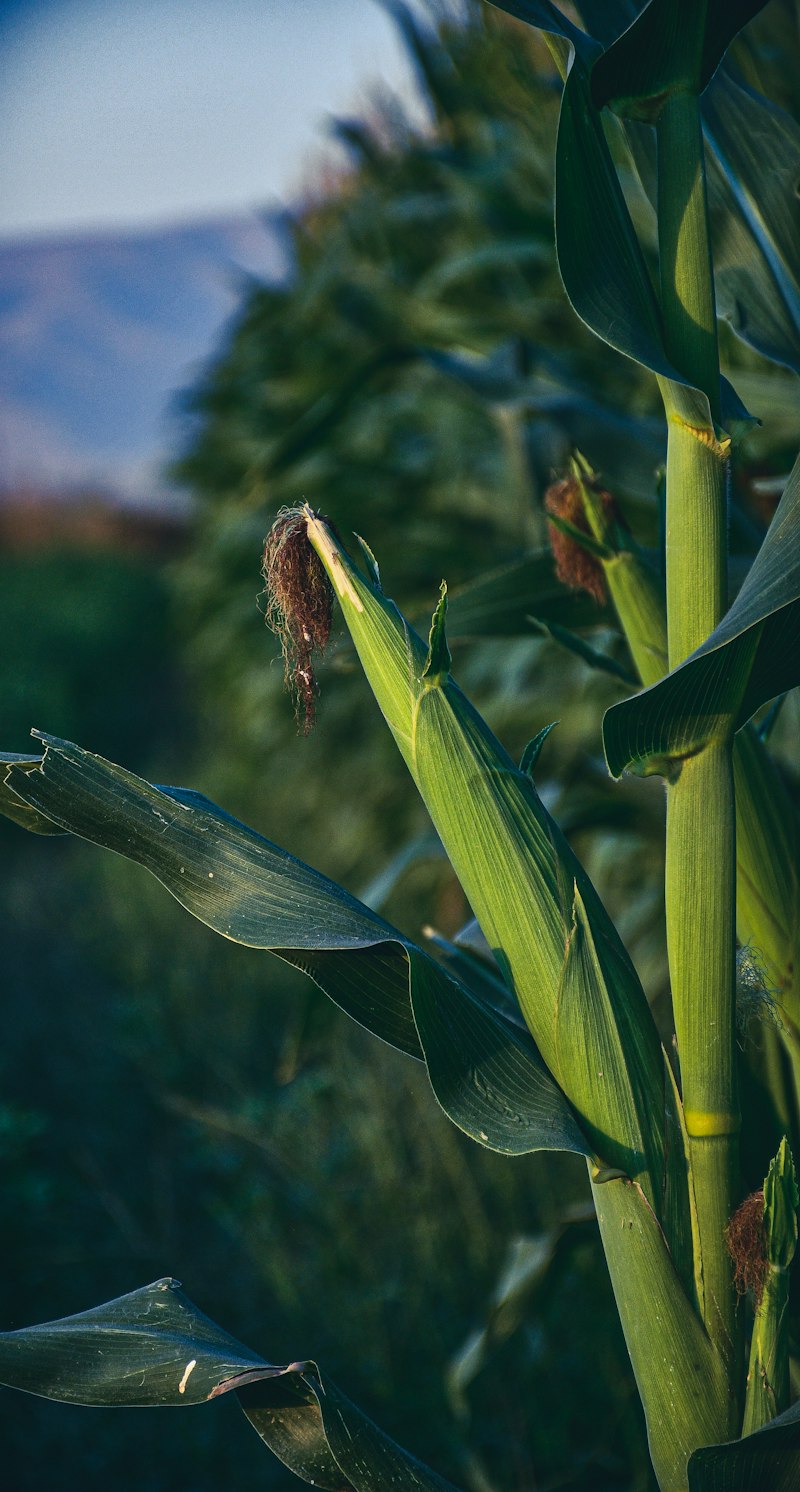
FAW-TEK Against Fall Armyworm: Biological Defence for Philippine Corn Farmers
Fall armyworm arrived in the Philippines in 2019 and caused over ₱8 billion in corn losses in its first two seasons. FAW-TEK's Btk protein provides the fastest, safest, and most selective biological response available.
 Eco Remediation
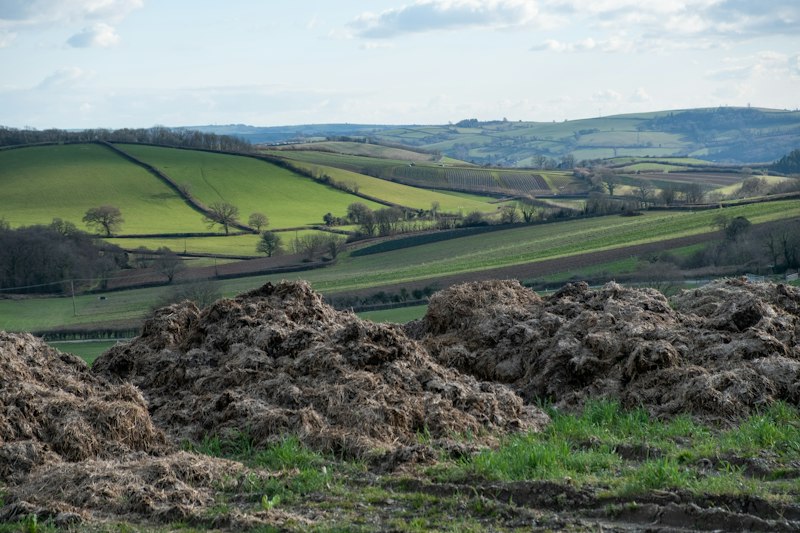
From Waste to Resource: The Circular Economy of Biological Farm Management
The most advanced farms generate no waste. Every organic output becomes an input for another process. Philippine farms using AA Biotek's eco-remediation products are building these circular flows — and profiting from them.
 Crop & Soil
Regenerative Agriculture in the Philippines: Why Biology Is the Future of Farming
Regenerative agriculture is not a trend — it is a return to biological reality. Philippine farmers who build soil health today will farm more profitably, with greater resilience, and on healthier land in 2040.
 Crop & Soil
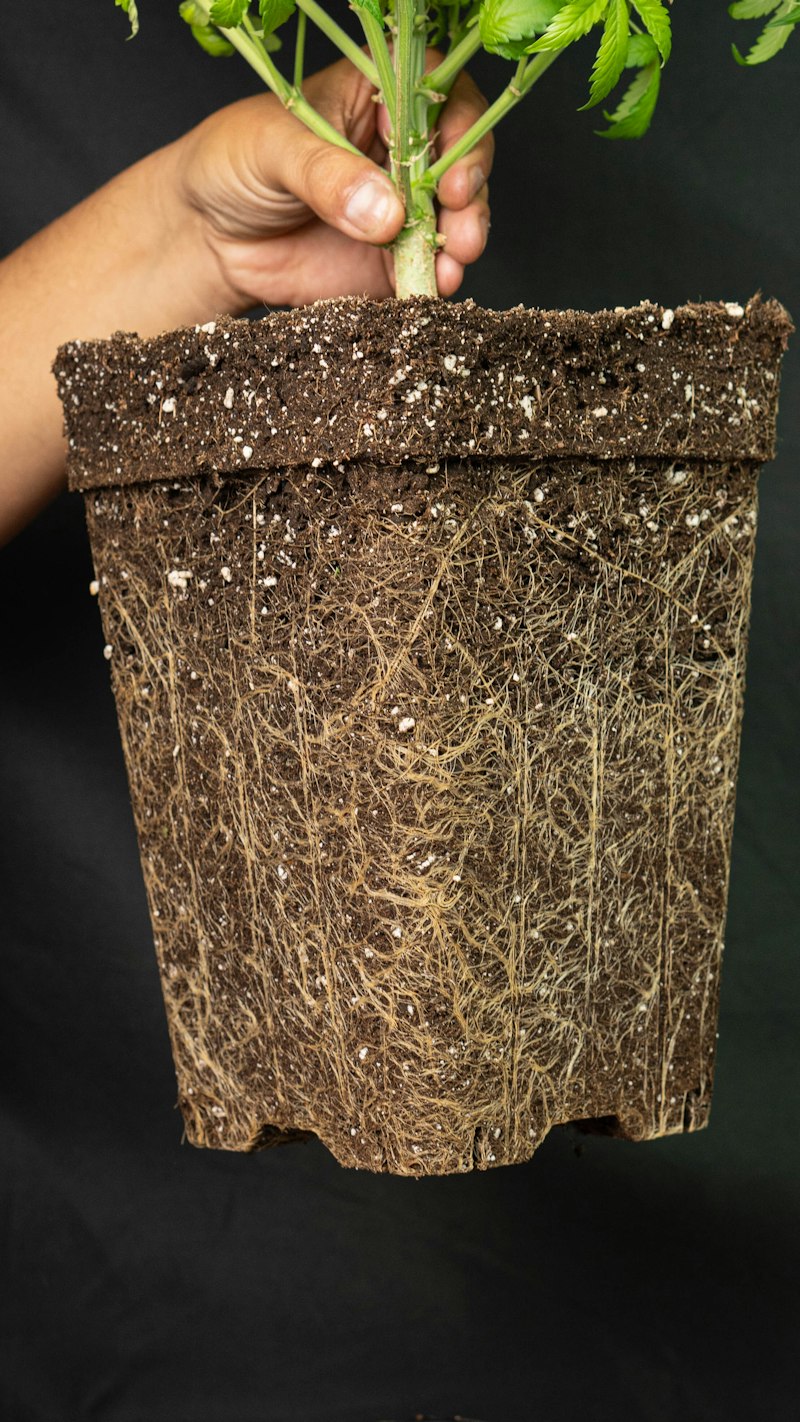
FruitMaxTEK: Accelerating First Fruit and Lifting Quality in Philippine Mango and Citrus Orchards
Orchard profitability hinges on two levers: how early trees bear, and how well the fruit scores on size, sweetness, and firmness. FruitMaxTEK's mycorrhizal inoculant moves both needles simultaneously.
 Crop & Soil
FusarTEK: Trichoderma-Based Biocontrol for Fusarium Wilt and Damping-Off in High-Value Vegetables
Fusarium wilt and damping-off are the most persistent threats in Philippine vegetable production. FusarTEK's Trichoderma harzianum delivers three-way suppression — mycoparasitism, antibiosis, and induced resistance.
 Aquaculture
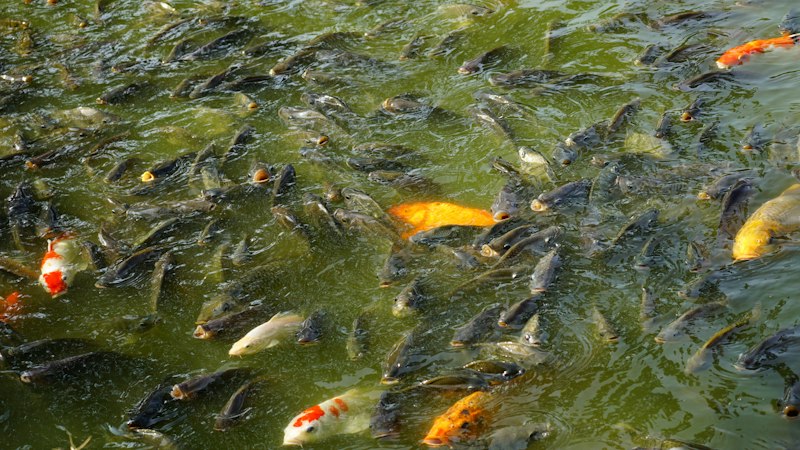
FlocTEK in Tilapia Production: Stabilising Water Quality and Boosting FCR in Philippine Intensive Systems
Ammonia toxicity is the number-one killer in intensive tilapia culture. FlocTEK's Nitrobacter-based probiotic consortium converts toxic nitrogen into stable microbial protein.
 Crop & Soil
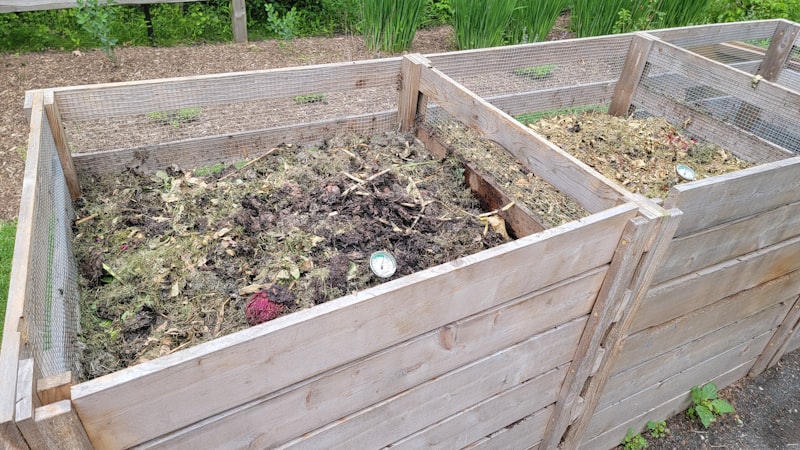
DecomTEK: Biological Decomposition and Odour Suppression for Composting and Pre-Plant Soil Conditioning
Slow compost, foul odours, and fly pressure are the three most common complaints in farm waste management. DecomTEK's Bacillus firmus consortium tackles all three at the source.
 Animal Health
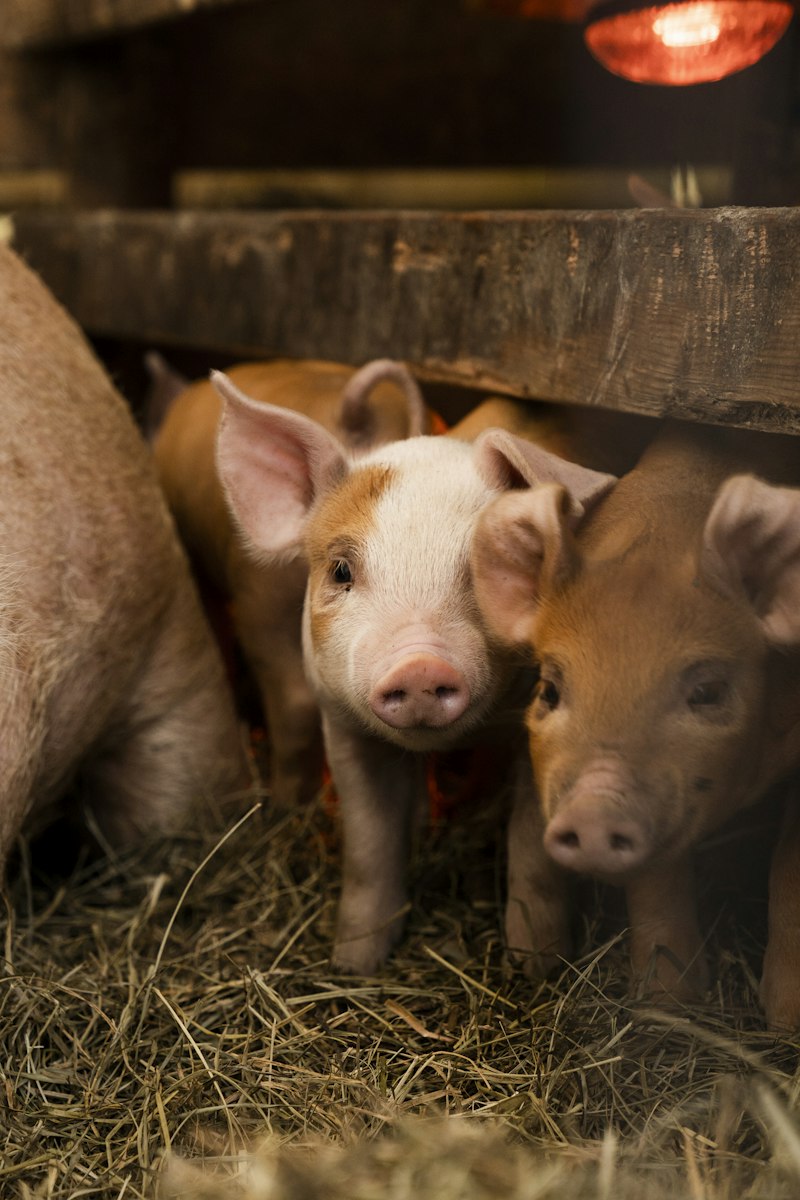
MonogasTEK in Swine Grow-Finish: Improving Daily Gain and Reducing Barn Ammonia Without Antibiotics
Grow-finish is where swine farms make or lose money. MonogasTEK's Lactobacillus reuteri probiotic tightens FCR, reduces enteric challenges, and cuts ammonia.
 Crop & Soil
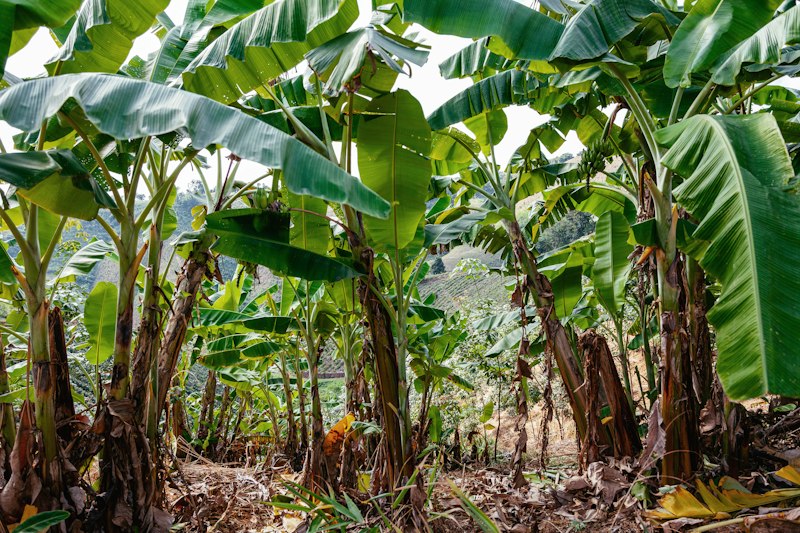
MycoTEK for Banana: How Glomus intraradices AMF Extends Root Reach and Lifts Bunch Weight
Banana roots are shallow and fibrous — perfect hosts for mycorrhizal symbiosis. MycoTEK's Glomus intraradices inoculant extends their effective nutrient reach 10-15 cm beyond root tips.
 Crop & Soil
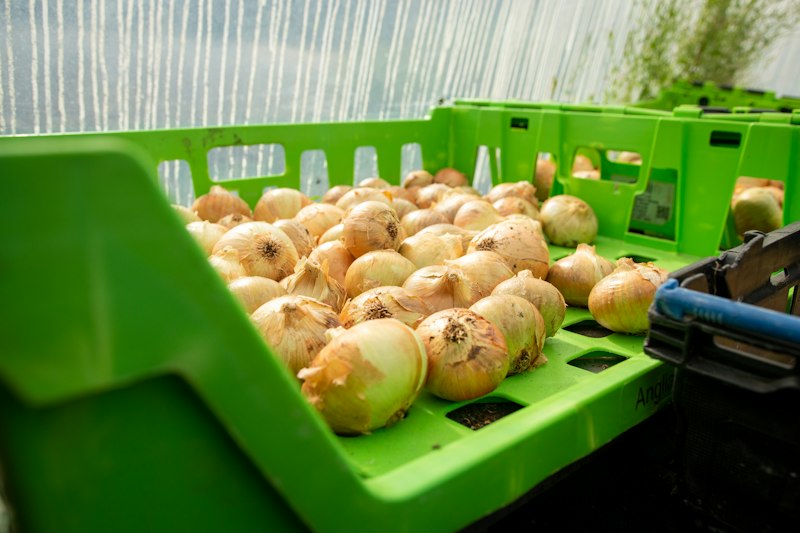
VeggiFloraTEK for Onion and Garlic: Azospirillum brasilense-Driven Root Vigour and Uniform Bulb Development
Onion and garlic growers in Ilocos Norte operate on razor-thin margins. VeggiFloraTEK's Azospirillum brasilense PGPR delivers root stimulation, associative nitrogen fixation, and phytohormone production.
 Pest Management
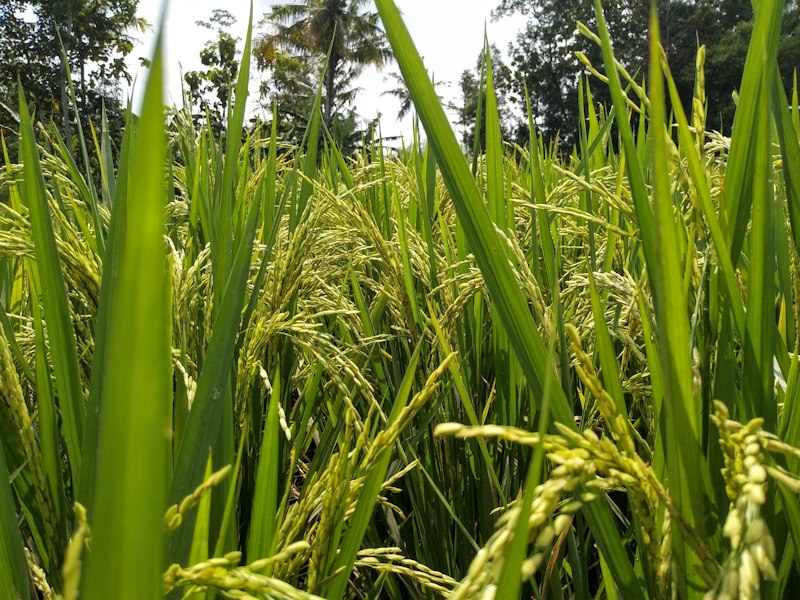
InsectaTEK: Beauveria bassiana Bioinsecticide for Sustainable Pest Management in Philippine Greenhouses
Aphids, thrips, and whiteflies in screen houses can collapse a vegetable crop within days. InsectaTEK's Beauveria bassiana provides residue-light, beneficial-insect-safe suppression.
 Crop & Soil
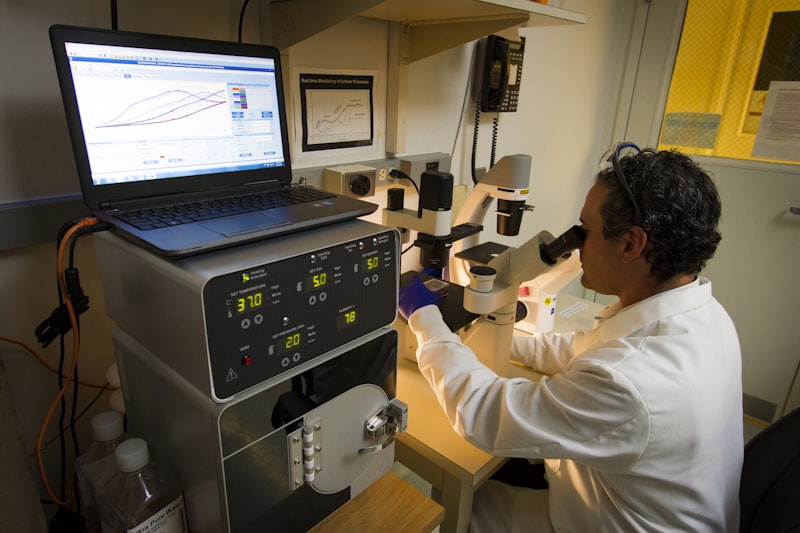
Soil Carbon and TEK Products: How Bioinoculants Build the Climate Dividend of Biological Farming
Soil holds three times more carbon than the atmosphere. Managing the microbial processes that build versus deplete soil organic carbon is now a legitimate climate intervention.
 Crop & Soil
FruitMaxTEK for Dragon Fruit and Pineapple: Lifting BRIX and Advancing the Harvest Window
Premium market prices for dragon fruit and pineapple hinge on BRIX, colour uniformity, and flesh firmness. FruitMaxTEK's mycorrhizal network gives roots the reach to pull the P, Zn, and water these demanding crops need.
 Eco Remediation
AquaclearTEK: Biological Water Clarity for Resorts, Golf Courses, and Condominium Water Features
Guest complaints about murky, smelly resort ponds cost far more than the treatment. AquaclearTEK's Rhodopseudomonas palustris turns the biological corner.
 Eco Remediation
AnaeroTEK for On-Farm Biogas Digesters: Boosting Methane Yield and Taming Odour in Philippine Livestock Farms
Farm biogas plants that sour, stall, or emit foul odours are destroying both investment value and community relationships. AnaeroTEK's Clostridium butyricum consortium restores healthy anaerobic function.
 Aquaculture
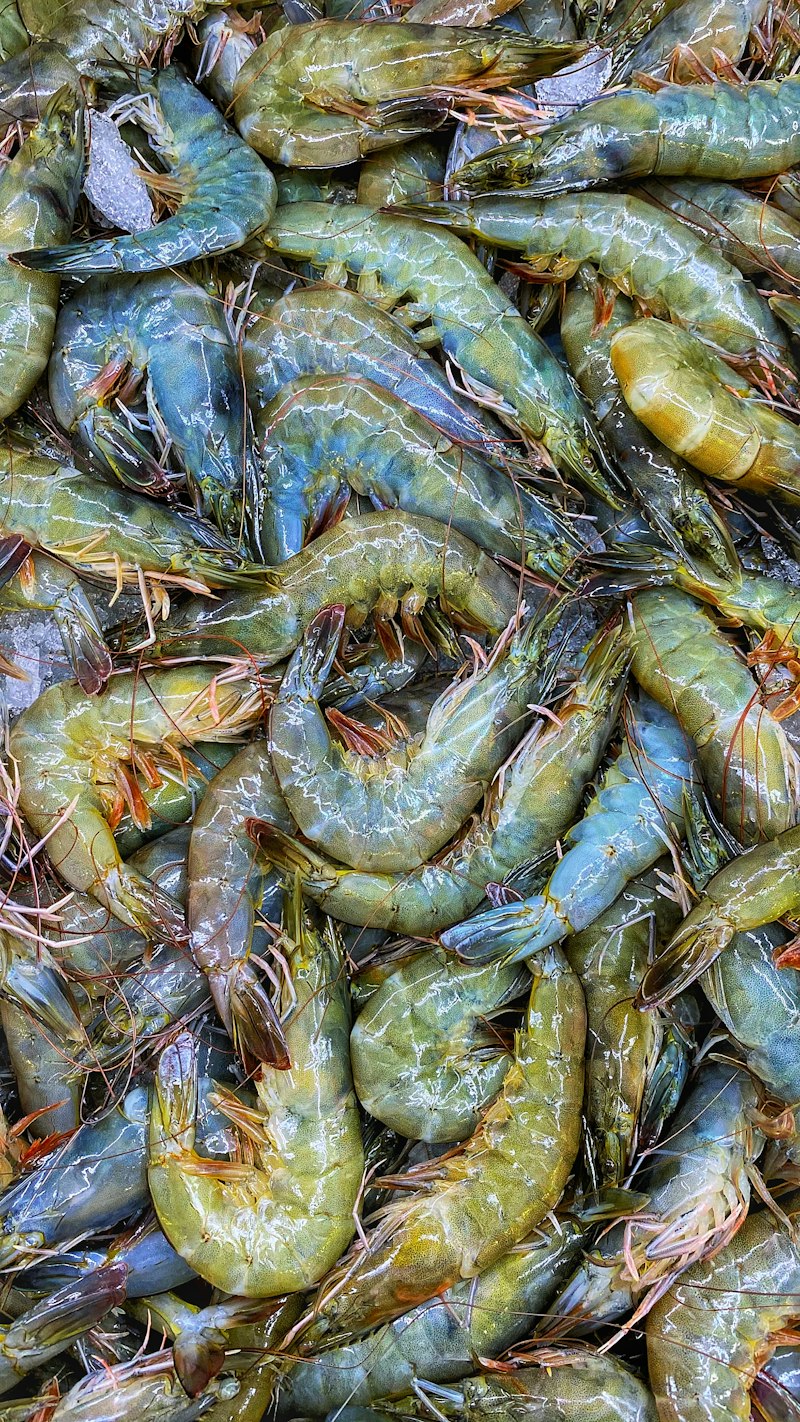
FlocTEK in Super-Intensive Vannamei Shrimp Culture: Controlling Vibrio and Stabilising Nitrogen
Vibrio outbreaks in intensive shrimp ponds can cause 100% mortality within 72 hours. FlocTEK's Nitrobacter-based biofloc consortium manages the pond microbiome to keep Vibrio populations below pathogenic thresholds.
 Crop & Soil
MycoTEK for Coconut: Restoring Mycorrhizal Function in Aging Philippine Palms for Better Nut Yield
Most Philippine coconut palms are over 40 years old and operating with severely depleted mycorrhizal networks. MycoTEK's Glomus intraradices inoculant restores the underground fungal partnerships that sustain nut production.
 Pest Management
FusarTEK in Tobacco Production: Protecting Seedlings and Field Crops From Fusarium and Damping-Off
Tobacco nursery damping-off and Fusarium wilt in the field are leading causes of crop failure in Ilocos Norte and Cagayan Valley. FusarTEK's Trichoderma harzianum provides biological defence at every stage.
 Crop & Soil
The Science of TEK Product Activation: Why 15-20 Hours Makes the Difference Between Live and Dead Microbes
Most farmers dissolve their TEK product in water and spray within minutes. They're applying dead microbes. The 15-20 hour activation protocol is the biological difference between a product that works and one that doesn't.
 Eco Remediation
FOG-TEK: Solving the Grease Trap Problem in Philippine Food Parks, Commissaries, and Agri-Tourism Sites
Grease trap blockages at food parks and agri-tourism venues trigger emergency pump-outs, LGU complaints, and guest experience damage. FOG-TEK's Pseudomonas putida biological treatment keeps lines flowing and smells gone.
 Crop & Soil
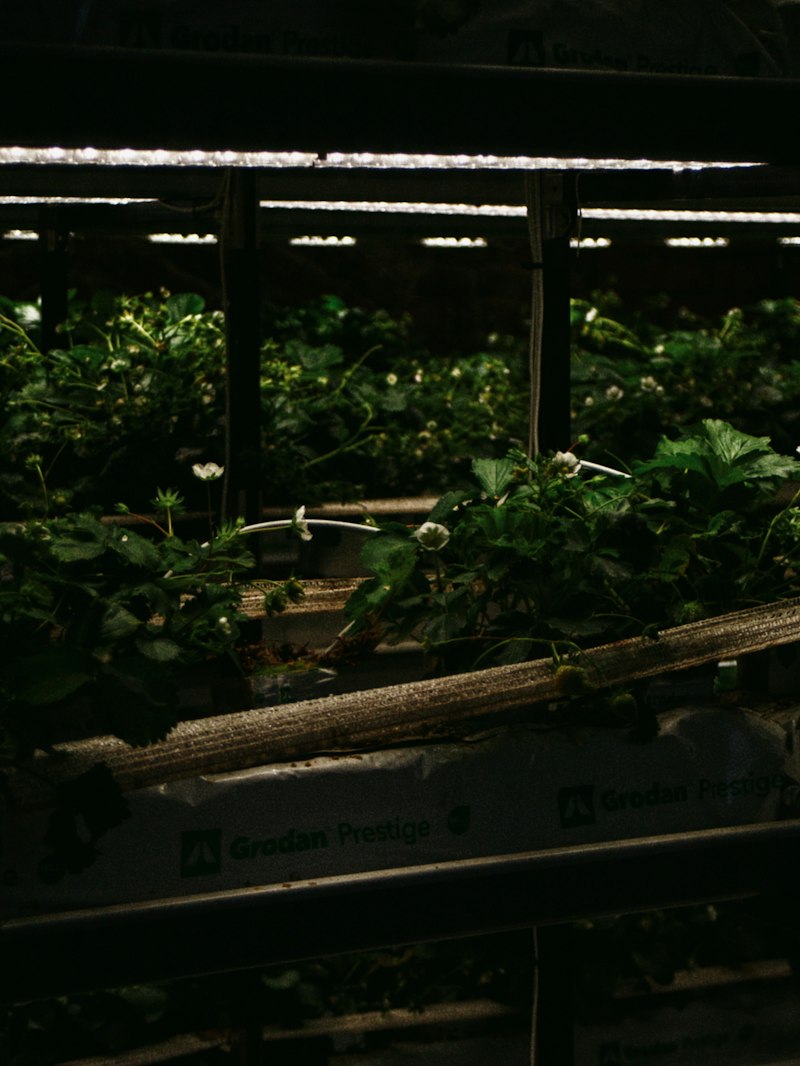
Greens&GrainsTEK in Microgreens and Vertical Farms: Biological Seedling Defence for Controlled Environment Agriculture
Damping-off in microgreens trays can wipe out a week's production overnight. Greens&GrainsTEK's Bacillus amyloliquefaciens builds a biological shield around germinating seedlings.
 Animal Health
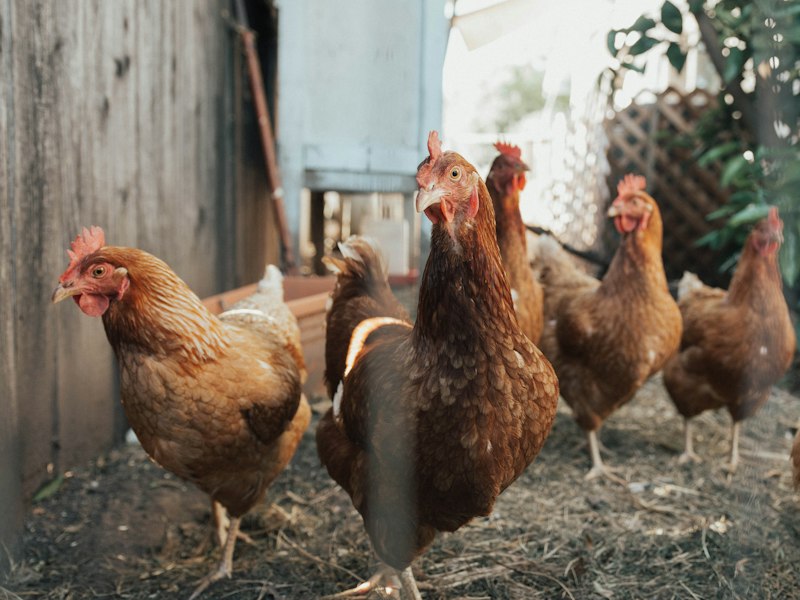
AviaTEK for Layers and Breeders: Gut Stability, Peak Egg Production, and Antibiotic-Free Performance
Egg production drops, wet litter, and post-vaccination slumps are expensive in commercial layer and breeder operations. AviaTEK's Enterococcus faecium probiotic stabilises gut ecology through every stress window.
 Animal Health
RSSI-TEK as a Silage Fermentation Catalyst: Securing Dry-Season Fodder for Philippine Livestock Farms
The dry season fodder crisis costs Philippine livestock farmers billions in imported feed supplements every year. RSSI-TEK's silage fermentation protocol converts wet-season forage surplus into high-protein, shelf-stable feed.
 Eco Remediation
Grease Trap Odor to Compliance: How Microbial FOG Control Saves Restaurants Money
Every kitchen owner knows the smell before the problem becomes visible: a sour drain, a slow trap, and a maintenance bill that arrives at the worst possible time.
 Eco Remediation
STP Shock Loads: Why Hotels and Subdivisions Need a Living Nitrification Buffer
An STP often looks fine until guests arrive, rain hits, or a pump fails—then ammonia, odor, and sludge rise faster than the operator can explain.
 Eco Remediation
Septic Tanks, Sludge, and Smell: The Anaerobic Biology Behind Cleaner Remote Facilities
Remote resorts, farms, and worker camps do not need complicated equipment to have a sanitation crisis—one overloaded septic tank is enough.
 Eco Remediation
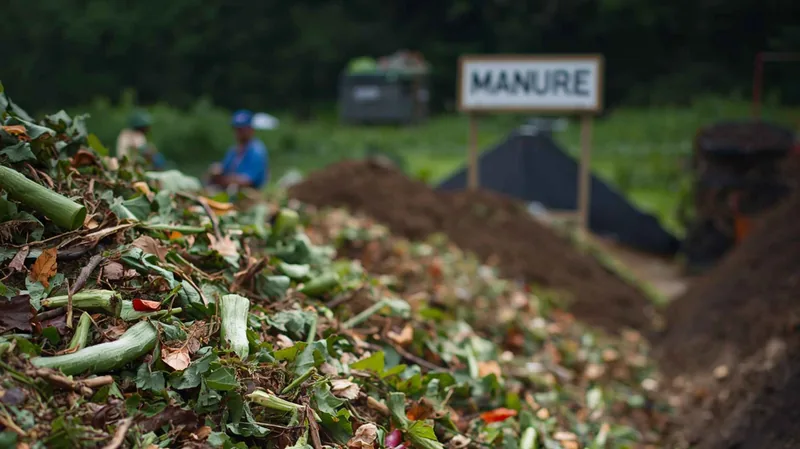
Manure Odor Is Lost Nitrogen: Composting Farm Waste With Microbial Discipline
When a compost pile smells like ammonia, the farm is not only annoying neighbors—it may be losing fertilizer value into the air.
 Eco Remediation
From Poultry Litter to Safer Soil Amendment: A Circular Waste Strategy for Integrators
Poultry litter can be either a liability that attracts flies and complaints or a nutrient asset that returns value to farms.
 Eco Remediation
Clear Water Features Without Harsh Algaecide: Biological Clarification for Resorts and Estates
A resort lagoon is part of the guest experience; if it turns green or smells earthy, the complaint becomes public before the maintenance log does.
 Eco Remediation
Public Markets and Food Halls: The Hidden FOG Problem in Modernization Projects
New tiles and signages cannot modernize a public market if the drains still smell like yesterday’s grease.
 Animal Production
Broiler FCR Is a Gut Problem: Building Better Performance With AviaTEK
In broilers, a few points of feed conversion can decide whether a cycle feels profitable or painful.
 Animal Production
Heat Stress in Poultry: Protecting the Intestinal Barrier Before Performance Drops
Heat stress does not only make birds pant; it quietly pulls feed intake, gut integrity, and flock uniformity downward.
 Animal Production
Post-Weaning Scours in Piglets: The Case for Gut Stabilization Before Antibiotics
Weaning is the moment a piglet loses milk, changes diet, mixes with pen mates, and meets stress all at once.
 Animal Production
Rumen Transitions: Keeping Dairy and Beef Cattle Stable When Feed Changes
Rumen problems rarely start dramatically; they begin with a ration change, a hot week, a transport event, or inconsistent forage.
 Animal Production
Cleaner Barns Start in the Gut: Linking Probiotics, Manure, and Odor Control
Odor complaints are usually blamed on manure, but the story begins much earlier—in feed digestion and gut stability.
 Animal Production
Antimicrobial Stewardship on the Farm: Where Probiotics Fit Without Overclaiming
Farmers do not need slogans about antibiotic reduction; they need practical tools that keep animals healthy enough to need fewer rescue treatments.
 Animal Production
Silage, Fiber, and Milk: Why Fermentation Quality Is an Animal Production Issue
Bad silage is not just a storage problem—it becomes a rumen problem, a milk problem, and a profitability problem.
 Aquaculture
Biofloc Without the Crash: Managing Ammonia and Nitrite Before Fish Stop Feeding
In intensive aquaculture, the water can change faster than the fish farmer’s cash flow can recover.
 Aquaculture
Black Pond Bottoms After the Rain: Restoring Earthen Pond Biology With FishpondTEK
After heavy rain, an earthen pond can look full but biologically tired—black bottom soil, sour odor, and fish that suddenly feed weakly.
 Aquaculture
Shrimp Vibrio Pressure: Using Microbial Competition as Part of Biosecurity
In shrimp culture, disease pressure often rises before disease is visible—feed trays slow down, water smell changes, and the pond microbiome shifts.
 Aquaculture
Tilapia and Milkfish FCR: Why Water Quality Is a Feed Conversion Tool
Farmers often blame feed quality when fish grow slowly, but sometimes the real feed thief is unstable water.
 Aquaculture
RAS Biofilters Need Time: Restarting Microbial Balance After Cleaning or Chemical Shock
A recirculating aquaculture system can be expensive, modern, and still biologically fragile after one over-cleaning event.
 Aquaculture
Koi, Resorts, and Ornamental Ponds: Clear Water Is a Microbial Service
For koi owners and resorts, water clarity is not cosmetic; it is trust, aesthetics, and animal welfare in one view.
 Aquaculture
Climate-Resilient Ponds: Preparing Fish Farms for Heat, Floods, and Sudden Water Swings
Climate stress does not wait for harvest schedules; it arrives as heat, low oxygen, floodwater, and sudden pH swings.
 Animal Health
Scouring in Pets and Farm Animals: When Probiotics Help and When to Call a Vet
Loose stool looks simple until dehydration, weight loss, and secondary infection turn it into an emergency.
 Animal Health
Preventing Parvo in Dogs: Vaccines First, Gut Support Second
Parvo is one topic where the unspoken truth matters: no probiotic prevents the virus.
 Animal Health
Increasing Milk Production in Cows: Why Rumen Efficiency Comes Before Supplements
The fastest way to waste a dairy supplement is to ignore the rumen that must convert feed into milk.
 Animal Health
Reducing Mastitis Risk: Hygiene, Bedding, and the Gut-Mammary Microbiome
Mastitis is often treated in the udder, but the risk is built across the whole barn.
 Animal Health
Piglet Scours Prevention: Colostrum, Clean Farrowing Pens, and Microbiome Support
A piglet’s colostrum intake in the first 24-48 hours can decide whether it survives the litter or becomes a treatment problem.
 Animal Health
After Antibiotics in Pets: Rebuilding Gut Confidence Without Overpromising
After an antibiotic course, many pet owners notice the same thing: the infection is better, but the stool is not.
 Animal Health
Dirty Eggs, Wet Litter, and Biosecurity: The Poultry Health Link Producers Miss
Dirty eggs are not just a grading issue; they are a signal from the gut, the litter, the nest, and the sanitation system.
 Pest Management
Mango Fruit Fly and Hoppers: Building an IPM Program Before the Harvest Panic
Mango pests are most expensive when growers wait until fruit is nearly ready and the orchard is already noisy with insects.
 Pest Management
Cocolisap and Coconut Scale Insect: Why Biological Control Must Be Protected
Cocolisap teaches a hard lesson: when a tiny scale insect multiplies quietly, whole coconut communities feel the loss.
 Pest Management
Tobacco Root-Knot Nematode: A Biological Root-Zone Strategy for Hidden Yield Loss
Root-knot nematode is a thief farmers often see too late: the leaves tell the story, but the roots hold the evidence.
 Pest Management
Tobacco Bacterial Wilt: Managing the Disease Complex Instead of Chasing a Cure
Bacterial wilt is brutal because the plant can look recoverable in the morning and collapse by afternoon heat.
 Pest Management
Fungal Leaf Spots and Root Rots: Why Trichoderma Works Best Before Disease Explodes
Fungal disease management is won before the leaf spots merge and before roots turn brown.
 Pest Management
Cutworms and Fall Armyworm: Using Btk While Larvae Are Still Small
Lepidopteran larvae are easiest to manage before they look impressive.
 Pest Management
Whiteflies, Aphids, and Thrips in Screenhouses: Beauveria as a Residue-Light IPM Partner
Screenhouses protect crops from many problems, but once sap-feeders enter, the structure can protect the pest too.